Pinky Cookie Font for Editorial Design
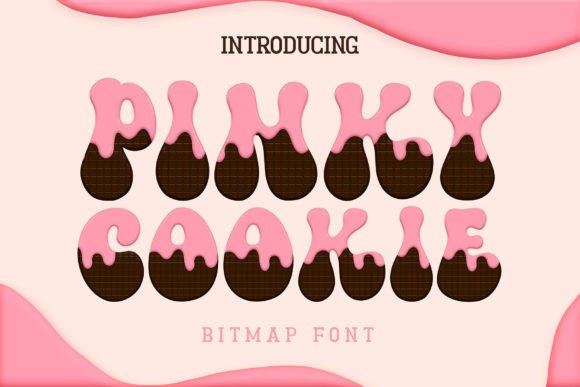
The Pinky Cookie font is a charming display typeface that brings a sense of playfulness and warmth to any editorial project. Designed with the visual appeal of a cookie strawberry cream snack in mind, this font offers a unique blend of cuteness and readability that makes it ideal for content creators looking to add personality to their work.
With its soft curves and gentle stroke variations, Pinky Cookie evokes a sense of fun and approachability. It's a color font that adds visual interest without overwhelming the reader. This makes it particularly useful for headings, titles, and other elements where you want to draw attention while maintaining a friendly tone.
Using Pinky Cookie in Editorial Projects
Whether you're designing a blog header, a magazine cover, or an ebook title, Pinky Cookie can help set the right mood. Its whimsical style works especially well for lifestyle blogs, recipe collections, and creative guides. For example, using Pinky Cookie as the main title font on a wedding planning guide can instantly convey a sense of joy and celebration.
When it comes to newsletter graphics, Pinky Cookie can be used for pull quotes or section headers. The font's playful nature helps break up text blocks and keeps readers engaged. Pairing it with a clean sans serif font for body copy ensures that your content remains easy to read while still feeling visually appealing.
Visual Hierarchy and Reader Engagement
One of the key benefits of using Pinky Cookie is how it supports visual hierarchy. Its bold and expressive character makes it perfect for headlines and chapter openers. By using this font strategically, you can guide the reader's eye through your content more effectively.
For instance, in a printable planner or a coaching workbook, Pinky Cookie can be used for section headings or motivational quotes. This not only enhances the overall design but also helps reinforce the message you're trying to convey. The font's ability to stand out without being too distracting makes it a great choice for accent typography.
In digital magazines or online courses, Pinky Cookie can be used sparingly to highlight important sections or call-to-action buttons. This ensures that the font complements the content rather than competing with it.
Readability and Practical Use Cases
While Pinky Cookie is primarily a display font, it's important to consider its readability in different formats. When used for longer passages of text, it may not be the best choice due to its decorative nature. However, when paired with a more readable serif or sans serif font, it can create a balanced and aesthetically pleasing layout.
For screen reading, mobile layouts, and PDF exports, ensure that Pinky Cookie is used in moderation. Testing the font across different devices and platforms can help you determine the best way to incorporate it into your designs. In print, the font's visual characteristics can enhance the look of book covers, packaging design, and other printed materials.
Font Pairing and Brand Identity
When working on a publication or brand identity, font pairing plays a crucial role in achieving a cohesive look. Pinky Cookie can be paired with a classic serif font like Garamond or a modern sans serif font like Helvetica for body copy. This combination allows you to maintain a professional tone while still incorporating the playful essence of Pinky Cookie.
For web design and social media graphics, Pinky Cookie can be used to create eye-catching headlines or promotional banners. Its versatility makes it suitable for a wide range of applications, from logo design to editorial design.
Considering the font's multilingual support and available styles, including alternates and ligatures, you can further customize your designs to suit specific needs. Whether you're creating a premium font pack or using it as part of a larger design asset collection, Pinky Cookie offers a lot of flexibility.
Commercial Licensing and Usage Rights
If you're planning to use Pinky Cookie in commercial projects such as ebooks, templates, printables, or paid newsletters, it's essential to check the licensing terms. Ensuring that you have the appropriate rights to use the font in these contexts will help avoid any legal issues down the line.
For client publications, digital downloads, or branded content, always verify that the font license allows for the intended use. This includes both digital and print formats, as well as any distribution methods you plan to use.
By choosing a font that aligns with your brand identity and understanding the licensing requirements, you can confidently integrate Pinky Cookie into your editorial workflow. Its unique charm and versatility make it a valuable addition to any designer's toolkit.